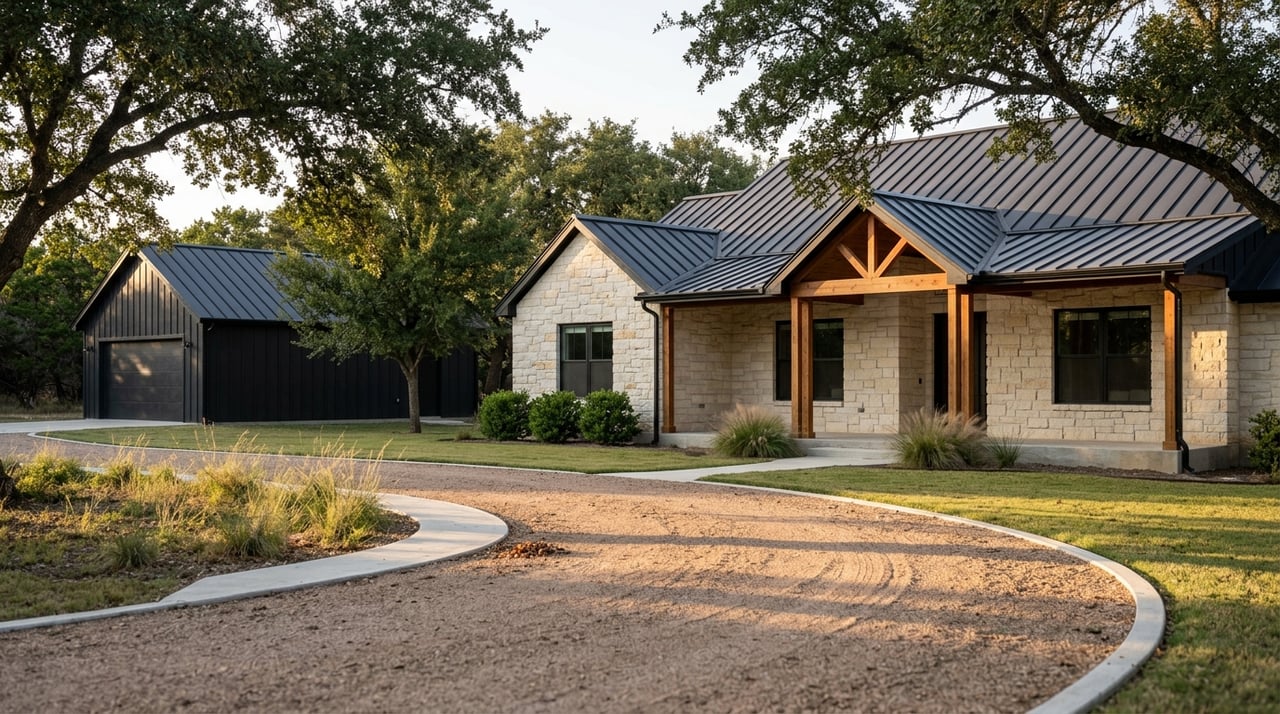
Acreage Living In McLendon-Chisholm: Space, Privacy, And Tradeoffs
May 28, 2026
May 28, 2026
Craving more elbow room than a standard subdivision can offer? In McLendon-Chisholm, acreage living can deliver the space, privacy, and rural feel many buyers want, but it also comes with practical questions that matter before you make an offer. If you are weighing land, lifestyle, and long-term costs, this guide will help you understand the biggest tradeoffs so you can shop smarter. Let’s dive in.
McLendon-Chisholm feels different from a typical suburb because it has roots as a farm settlement and still reflects that pattern today. The city’s planning documents describe rolling topography, open pastureland, and a mix of agricultural and residential uses.
That matters if you want room to spread out. The city’s plans focus on preserving a rural character, with low-density residential development capped at one unit per 1.5 acres in some areas and rural residential areas requiring minimum 2.5-acre lots.
In simple terms, acreage in McLendon-Chisholm is not just about a bigger yard. It is tied to the city’s broader approach to land use, which helps explain why buyers are drawn here for privacy, separation, and a less crowded feel.
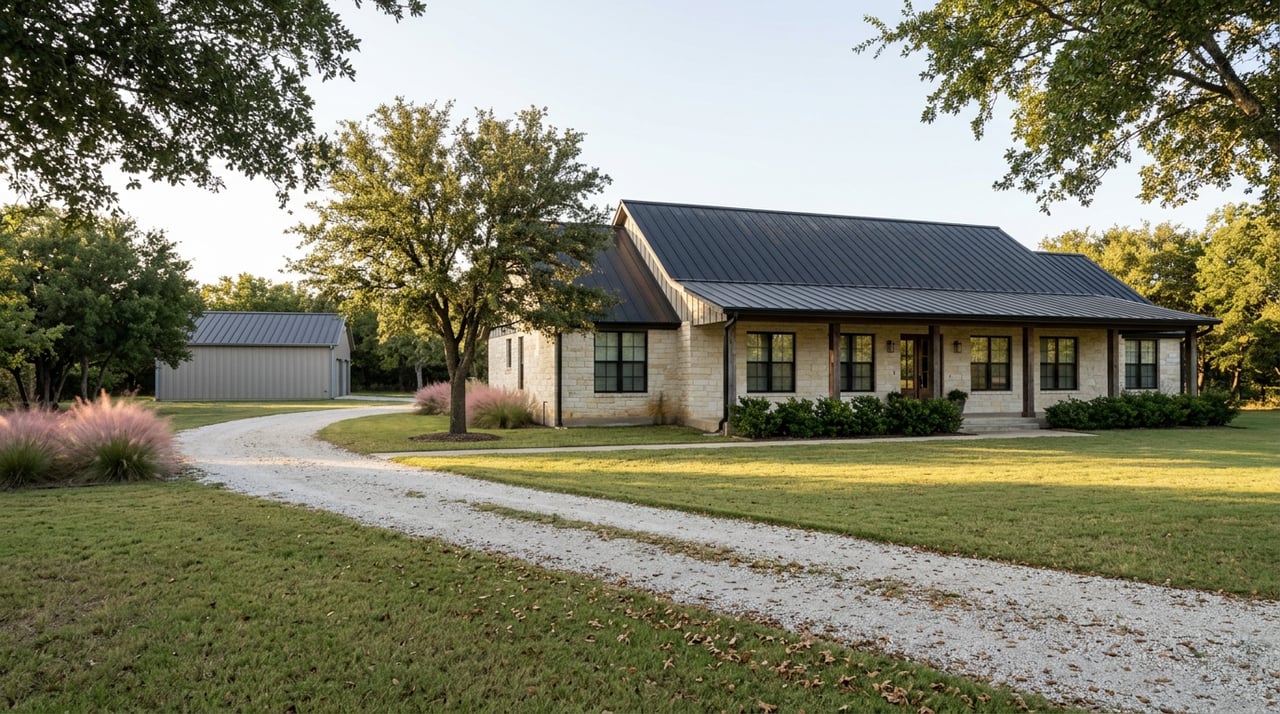
More space can mean a longer driveway, more distance from neighboring homes, and room for outdoor features that are harder to find on a standard suburban lot. It can also mean more natural variation in the land itself, including creeks, drainage paths, and floodplain-related conditions that need a closer look.
On larger tracts, the exact parcel matters more than the city label. McLendon-Chisholm publishes city limits, ETJ, thoroughfare, future land use, and zoning maps, and buyers should use those tools as part of tract-specific research.
That is one reason acreage searches often require a different mindset than shopping for a typical subdivision home. What looks simple from the road can have meaningful differences once you review map overlays, access, and site conditions.
For many buyers, privacy is the main appeal. Larger lots can create more physical distance between homes, reduce the close-in feel of dense development, and give you more control over how your property feels day to day.
That privacy can also support a quieter lifestyle. With fewer homes packed closely together, you may enjoy a stronger sense of separation from surrounding properties, especially on tracts with open pasture, mature trees, or setbacks from the road.
Still, privacy is never automatic. The shape of the lot, nearby roads, adjacent development, and future land-use plans all affect how private a property feels in real life.
A common assumption is that acreage automatically means no HOA. In McLendon-Chisholm, that is not something you should assume.
Texas treats HOA rules as private recorded restrictions, and the state’s HOA management-certificate database shows that some McLendon-Chisholm subdivisions are HOA-managed, including Austin Corners Home Owners Association and Quail Creek Homeowners Association. That means HOA status depends on the exact subdivision and parcel, not the city as a whole.
If you are early in your search, this is one of the most important mindset shifts to make. McLendon-Chisholm is not simply HOA or non-HOA. You need to verify recorded restrictions on the exact property you are considering.
When you look at an acreage property, ask for confirmation on:
Because Texas does not have a state agency that oversees HOAs or investigates homeowner complaints, it is especially important to review the documents tied to the property itself.
One of the biggest acreage tradeoffs in McLendon-Chisholm is utilities. Buyers often assume larger lots come with a certain setup, but service type must be verified property by property.
The city states that sanitary sewer service is only available for Sonoma Verde residents. That means sewer is not something you should assume is available across the city.
For properties outside sewer service, on-site sewage questions become part of normal due diligence. If a parcel has or needs an on-site sewage facility, also called an OSSF, the Texas Commission on Environmental Quality says the site must be evaluated before a system can be constructed, installed, altered, extended, or repaired.
If a home uses a septic system, maintenance matters. TCEQ recommends pumping septic tanks every three to five years.
If a parcel uses a private well, testing matters too. TCEQ says the owner is responsible for regularly testing private well water, and the Texas Water Development Board says Texas does not regulate the water quality of private wells.
That does not mean a well or septic setup is a problem. It means these systems come with owner responsibilities that many subdivision buyers never have to think about.
Acreage buyers often ask whether taxes are lower on larger tracts. The real answer is: it depends.
In Texas, local taxing units set property tax rates, and appraisal districts appraise value as of January 1 each year. A single property can be taxed by the city, county, school district, and special districts, so your final bill depends on the exact parcel and the taxing entities tied to it.
For example, the City of McLendon-Chisholm’s 2025 voter-approval tax rate is $0.09239 per $100 of value. Rockwall ISD’s 2025-2026 adopted total tax rate shown on property tax notices is $1.0669 per $100, which shows how quickly the full picture can vary once multiple taxing units are involved.
For some acreage, the biggest long-term cost question is whether the land qualifies for productivity valuation. The Texas Comptroller says qualifying agricultural or timberland can be taxed on productivity value rather than current market value.
That can materially lower the tax bill compared with a similar property taxed strictly on market value. In a place like McLendon-Chisholm, where planning documents still reflect agricultural and low-density residential land use, this can be an especially important question to explore early.
Not every tract will qualify, and qualification is not automatic. But if you are comparing acreage options, this is one of the clearest examples of why surface-level price alone does not tell the whole ownership story.
The lifestyle appeal of acreage usually comes with a tradeoff in drive time. McLendon-Chisholm sits on SH 205 about six miles southeast of Rockwall, and typical travel estimates put the drive to Dallas at about 38 minutes.
That may be a reasonable exchange for more land and privacy, depending on your routine. But commute time can feel very different once traffic is heavier or your day includes repeated trips for work, errands, or activities.
The city’s planning documents also direct commercial development toward major corridors such as SH 205. Over time, that means your experience on main roads will likely remain an important part of daily life.
If you are serious about acreage living in McLendon-Chisholm, focus on parcel-level verification instead of assumptions. A good short list includes:
These steps can help you compare properties based on total lifestyle fit, not just listing photos or lot size.
If you want room to breathe, more separation from neighbors, and a setting shaped by open land instead of dense development, McLendon-Chisholm offers a compelling option in Rockwall County. The city’s land-use approach is a big part of why acreage here feels distinct.
At the same time, acreage living works best when you go in with clear eyes. Utilities, deed restrictions, taxes, drainage, and drive times all deserve careful review before you decide a property is the right fit.
That is where local, tract-specific guidance makes a difference. If you want help comparing acreage options in McLendon-Chisholm or across Rockwall County, reach out to Blake Bailey for responsive, relationship-first guidance backed by local market knowledge.
Stay up to date on the latest real estate trends.
I take representation seriously. With the over saturation of licensed agents in Texas, I know what a privilege it is to represent clients.