What if your first two years of mortgage payments were hundreds lower each month? If you are buying in Royse City, a 2-1 buydown could help you ease into homeownership while you settle in or plan for future refinancing. In this guide, you will learn what a 2-1 buydown is, how the costs work, who can pay for it, and when it makes sense for local buyers, especially in new construction. Let’s dive in.
2-1 buydown basics
A 2-1 buydown is a temporary interest subsidy that lowers your mortgage rate by 2 percentage points in year 1 and 1 percentage point in year 2. Starting in year 3, your payment reverts to the permanent interest rate on your loan (the note rate).
Here is how it works:
- A third party funds the subsidy at closing. It is usually the seller or builder, although a buyer can fund it too.
- The funds are placed in a controlled buydown escrow account.
- During the first 24 months, your lender applies a monthly interest credit so your payment reflects the reduced rate.
- In year 3 and beyond, you pay the full payment based on the permanent rate.
Key terms to know:
- Note rate (permanent rate): the interest rate on your loan after the buydown ends.
- Subsidy account (buydown escrow): where the upfront funds are held and then applied to your monthly interest.
- Temporary buydown vs. points: a temporary buydown lowers payments for a set period. Paying points is prepaid interest that permanently reduces the rate.
Who can fund it and Texas rules
In Royse City transactions, a 2-1 buydown is most often funded by the seller or builder as an incentive. A buyer can fund it as well, although that is less common. Some lenders may also offer credits, but those are separate from a third-party buydown.
Funds are typically deposited at closing and shown on your Closing Disclosure. The lender then controls the buydown account and applies the monthly credits during years 1 and 2. Title and escrow companies in Texas are familiar with handling these funds and following lender instructions.
Program limits and qualifying can vary by loan type and lender policy:
- Conventional (Fannie Mae/Freddie Mac): Temporary buydowns are generally allowed, but if a seller or builder pays, it counts as a seller concession. Typical industry caps vary by down payment (for example, higher down payments often allow higher seller concessions). Confirm the exact limit with your lender.
- FHA: Seller concessions, including a buydown, are typically limited to a percentage of the sale price. Check current FHA guidance with your lender.
- VA: VA rules set specific limits for seller concessions, and certain costs are handled outside those limits. Confirm with your loan officer.
- Qualifying: Many lenders require you to qualify at the permanent note rate. A buydown may help your cash flow in years 1 and 2, but it might not increase your loan approval amount.
Tax treatment for a seller-funded buydown can be complex. Ask a tax professional how it applies in your situation.
What it costs and how to calculate it
The cost of a 2-1 buydown is the total interest subsidy needed for the first two years. In practice, you calculate the difference between the permanent payment and the reduced payment for months 1 to 24, then add those amounts together. As a rule of thumb, the upfront cost often falls in the low single-digit percentage range of the loan amount (commonly around 1.5 to 3 percent), but the market rate environment matters.
Step-by-step math you can follow
Determine your loan amount (purchase price minus down payment).
Get your permanent interest rate (note rate) from your lender.
Compute three monthly payments for a 30-year term:
- Year 1 payment at permanent rate minus 2.0 percent
- Year 2 payment at permanent rate minus 1.0 percent
- Permanent payment at the note rate
Months 1–12: Permanent payment minus Year 1 payment, then multiply by 12.
Months 13–24: Permanent payment minus Year 2 payment, then multiply by 12.
Add the two totals. That is the approximate upfront subsidy needed for the buydown (your lender will confirm the final number and accounting).
Confirm whether the buydown funds count as seller concessions for your loan program and that the funds are deposited in full at closing.
Royse City example with real numbers
Inputs: loan amount $300,000, permanent rate 6.00 percent, 30-year fixed.
- Permanent rate 6.00 percent → payment about $1,799
- Year 1 at 4.00 percent → payment about $1,431
- Year 2 at 5.00 percent → payment about $1,612
Monthly savings and subsidy:
- Year 1: $1,799 − $1,431 = $368 monthly → about $4,416 for the first 12 months
- Year 2: $1,799 − $1,612 = $187 monthly → about $2,244 for the next 12 months
Approximate upfront cost to fund the buydown: $4,416 + $2,244 = $6,660 (about 2.2 percent of a $300,000 loan). Your exact numbers will vary with your rate and loan size.
When a 2-1 buydown makes sense in Royse City
A 2-1 buydown can be a smart tool in several local scenarios:
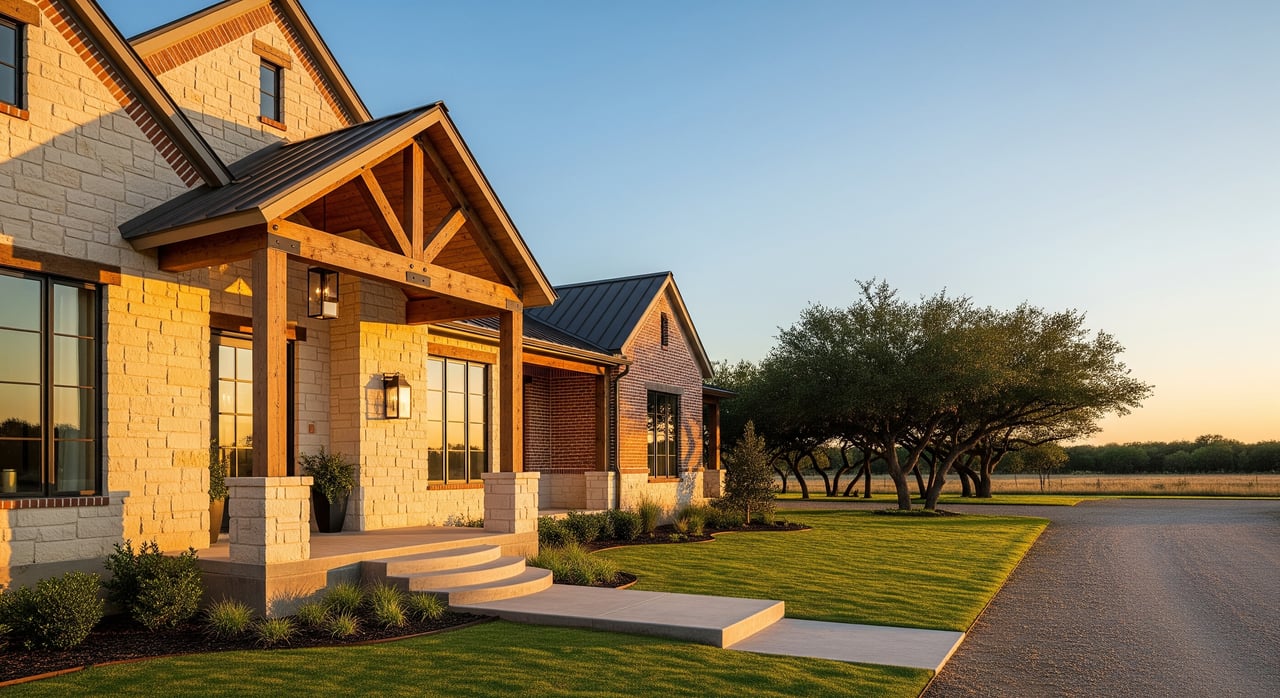
- New construction: Builders in Royse City often use buyer incentives to make payments more attractive in the first two years.
- Cash flow planning: You want lower payments while you settle into a new job or expect income to rise.
- Seller-paid savings: You prefer keeping your cash for closing costs or improvements while a seller funds the buydown.
- Refinance runway: You want time to refinance if rates improve later (note that refinancing is not guaranteed).
When it may not be a fit
- Your lender requires qualifying at the permanent rate, so it will not change approval.
- You could face payment shock in year 3 if you are not ready for the higher payment.
- Your loan program has tight seller concession limits and you would rather take other credits or a price reduction.
- Rates are falling quickly and paying for a buydown does not make sense compared to a near-term refinance.
Alternatives to compare
- Paying points for a permanent rate reduction.
- Negotiating a seller credit toward closing costs instead of a buydown.
- Choosing a different loan program (for example, an ARM with a lower initial rate, while considering the risks).
- Increasing your down payment to lower the rate or reduce mortgage insurance.
Steps to secure one in a Royse City deal
Ask the seller or builder if a 2-1 buydown is available. Get it in writing in the contract, including who pays and the dollar amount or formula.
Loop in your lender early so they can approve the structure and document the funds on your Closing Disclosure.
Confirm the title or escrow company is prepared to receive and route the funds per the lender’s instructions.
Ask how the lender will handle the buydown escrow and apply monthly credits during the first 24 months.
Keep written records of the buydown terms and the deposit into the buydown account.
Contract and closing details to confirm
- A clause that states the dollar amount or clear formula for the buydown funds.
- Identification of who pays the buydown and that funds will be provided at closing.
- A copy of the lender’s buydown instructions in the loan file and reflected on your Closing Disclosure.
Common accounting answers
- Does it reduce principal? No. It subsidizes interest during the buydown period; your balance follows the normal amortization schedule.
- Is any unused subsidy refundable? Typically no. If the loan is paid off early, the lender’s handling of remaining funds varies by investor policy and must be documented.
- Does it change PMI, MIP, or taxes? Not directly. Mortgage insurance and taxes are based on loan amount and assessed value, not the temporary buydown.
- Tax treatment: Ask a qualified tax professional how a seller-funded buydown applies to you.
Plan for the year 3 payment
Before you commit, build a simple budget for life after month 24. Use the permanent payment to test your comfort level. If a builder is offering the buydown, make sure the incentive is written into the purchase contract and that your lender documents it in the closing papers. This preparation helps you avoid surprises and keeps your Royse City move smooth.
Want help comparing a buydown versus other options, or negotiating incentives on a new build? Connect with Blake Bailey for local guidance and a tailored plan.
FAQs
Will a 2-1 buydown help me qualify for a mortgage in Royse City?
- It depends on lender policy. Many lenders qualify you at the permanent note rate, so a buydown improves early cash flow but may not increase your approval amount.
Who actually pays the monthly benefit during the buydown?
- The lender applies monthly interest credits from the buydown escrow account that was funded at closing by the agreed party (seller, builder, or buyer).
Does a 2-1 buydown reduce the total interest over my entire loan?
- Only during the first two years. Starting in year 3, interest accrues at the permanent note rate.
Can a Royse City seller fund a buydown within program limits?
- Often yes, but seller-paid buydowns count toward concession caps that vary by loan type and down payment. Confirm the limit with your lender.
Is a 2-1 buydown the same as paying points to lower my rate?
- No. Paying points permanently reduces the rate. A 2-1 buydown temporarily lowers payments for two years.
What happens to unused buydown funds if I refinance or sell early?
- Refund handling varies by investor and lender policy. Your closing documents should state how any remaining funds are treated.